How to Find Your Season with a Color Analysis Quiz (And Actually Get It Right)

Let me be honest with you. The first time I took a color analysis quiz online, I got three different answers from three different websites and ended up more confused than when I started. Spring? Autumn? Soft Summer? I had no idea what any of it meant, and I definitely did not understand why it mattered which colors I wore.

But here is the thing. Once I actually learned how to take a color analysis quiz properly and understand the results, everything changed. Getting dressed stopped feeling like a guessing game. I stopped buying clothes I never wore. And people kept telling me I looked more “put together” without me doing anything differently except wearing the right colors for my season.

So if you are sitting there wondering how to figure out your color season, this is the post I wish I had found first.


What Is a Color Analysis Quiz, Really?

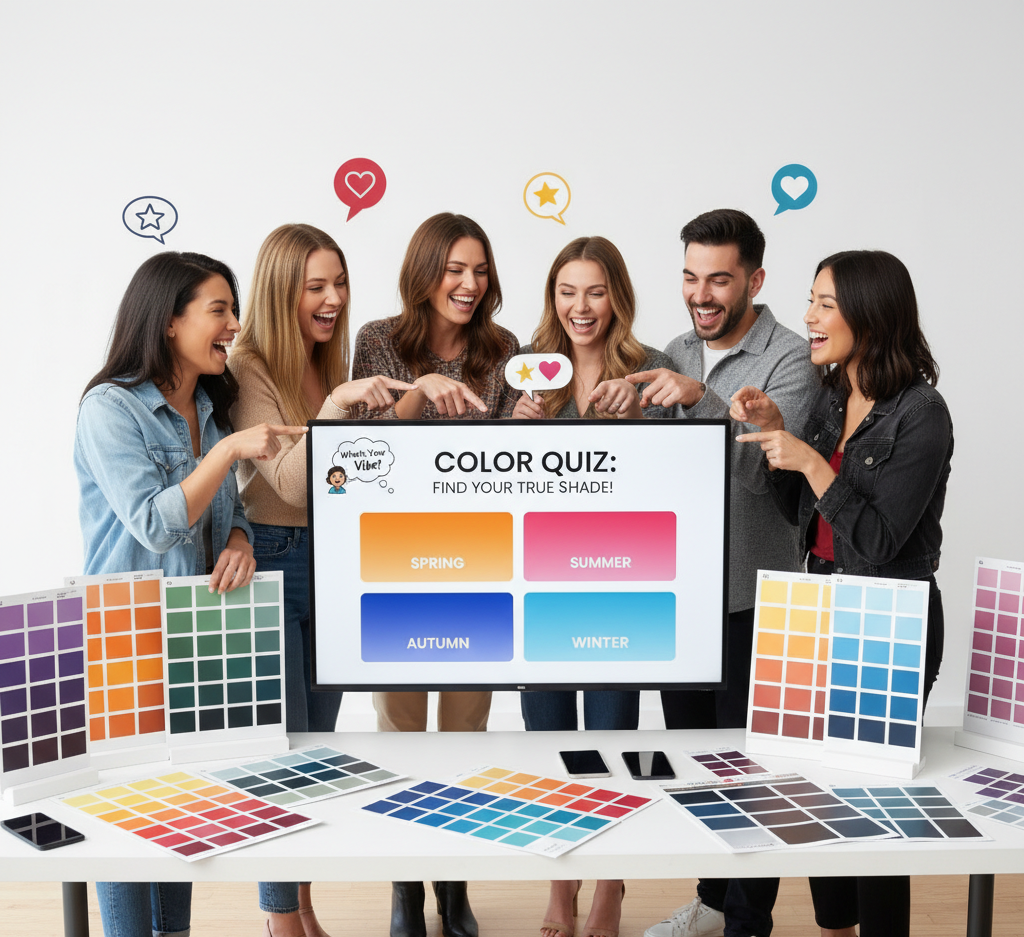
A color analysis quiz is a tool that helps you figure out which of the four seasonal color palettes, Spring, Summer, Autumn, or Winter, best matches your natural coloring. That means your skin tone, hair color, and eye color all working together.

The concept comes from a system developed in the 1980s, most famously by Carole Jackson in her book “Color Me Beautiful.” It was built on the idea that everyone’s natural coloring has an undertone and a depth, and certain colors will either bring your face to life or make you look washed out and tired.

Color analysis is not about telling you what colors you like. It is about identifying which colors make you look your most vibrant, healthy, and awake without trying.

The Four Seasons Explained Simply

Before you even touch a quiz, you need to understand what you are actually being sorted into.

Spring is warm and light. Spring people tend to have peachy or golden skin, light golden or strawberry blonde hair, and eyes that are green, hazel, or light brown. The Spring palette is full of warm, fresh, clear colors like coral, peach, warm ivory, and golden yellow.

Summer is cool and soft. Summer people usually have pink or rose-tinted skin, cool blonde or ash brown hair, and blue, grey, or soft hazel eyes. The Summer palette leans toward muted, dusty tones like lavender, rose, soft teal, and powder blue.

Autumn is warm and deep. Autumn people often have golden, olive, or bronze skin, rich auburn, chestnut, or dark brown hair, and warm brown, hazel, or green eyes. The Autumn palette is earthy and rich, think terracotta, olive, mustard, burnt orange, and deep camel.

Winter is cool and deep. Winter people tend to have high contrast coloring with cool or neutral skin, dark brown or black hair, and striking dark or clear blue and green eyes. The Winter palette is bold and saturated, true red, icy pink, navy, black, and pure white.


Why Most Color Analysis Quizzes Get It Wrong

Here is something nobody talks about enough. A lot of free color analysis quizzes online are oversimplified to the point of being almost useless. They ask you “what is your hair color” and give you four options when the reality is that hair color has warm, cool, and neutral undertones that matter just as much as the shade itself.

The biggest reasons people get wrong results from color analysis quizzes are these.

They answer based on their current hair color instead of their natural hair color. If you have dyed hair, you need to think back to what it looked like before, or look at childhood photos.

They confuse their surface skin tone with their undertone. You might have tan skin but a cool undertone, which would still put you in a cool season. The surface color is not the whole story.

They take the quiz under bad lighting. Warm yellow lighting will make everything look more golden than it is. Natural daylight is the only lighting that will not trick your eye.

They overthink the questions. A lot of people answer the way they want to be rather than what they actually see. If you wish you had warm coloring because you love the Autumn palette, you might unconsciously lean your answers that way.


How to Take a Color Analysis Quiz and Actually Trust the Results

Okay, so here is how to do this properly. Follow these steps and you will get a much more accurate result than if you just sit down and start clicking.

Step 1 – Prepare Yourself Before You Start

Wash your face and remove all makeup. I know, I know. But your foundation, blush, and bronzer are all influencing the way your skin looks and they will throw off your answers. The quiz needs to see your actual skin.

Pull your hair back. If your hair is around your face it will affect how you perceive your skin tone. Tie it back or cover it with a white or grey headband.

Sit in front of a window during the day. Natural daylight is the most neutral light source you have access to. Avoid doing this at night under artificial lighting if you can help it.

Step 2 – Look at the Right Things When Answering

When a quiz asks about your skin tone, look at the inside of your wrist, not your face. Your face has likely been exposed to sun, products, and other factors that alter its color. The inside of your wrist shows your truest skin tone and undertone.

For undertone specifically, look for these clues. If your veins look blue or purple, you likely have a cool undertone. If they look green, you are likely warm. If you genuinely cannot tell, you might be neutral.

When it comes to your eyes, look at them in natural light as well. Eye color is more complex than most quizzes give it credit for. Notice whether there are warm gold or brown flecks versus cool grey or blue flecks, because that detail matters.

Step 3 – Answer Based on Your Natural Features

If you color your hair, think back to your natural color or look at old photos before you started coloring it. Your natural coloring is what the seasonal system is built around.

If you have a tan right now, try to answer based on how your skin looks in winter when it is at its most natural shade. Seasonal tanning changes your surface color but not your undertone.

Step 4 – Take More Than One Quiz

Take at least two or three different color analysis quizzes and see where the results overlap. If you consistently get Soft Summer and True Summer, the answer is almost certainly in that cool, muted Summer family. If you are getting wildly different answers every time, it is a sign that you need to dig into the specific characteristics of each season more carefully.

Step 5 – Test the Results Yourself

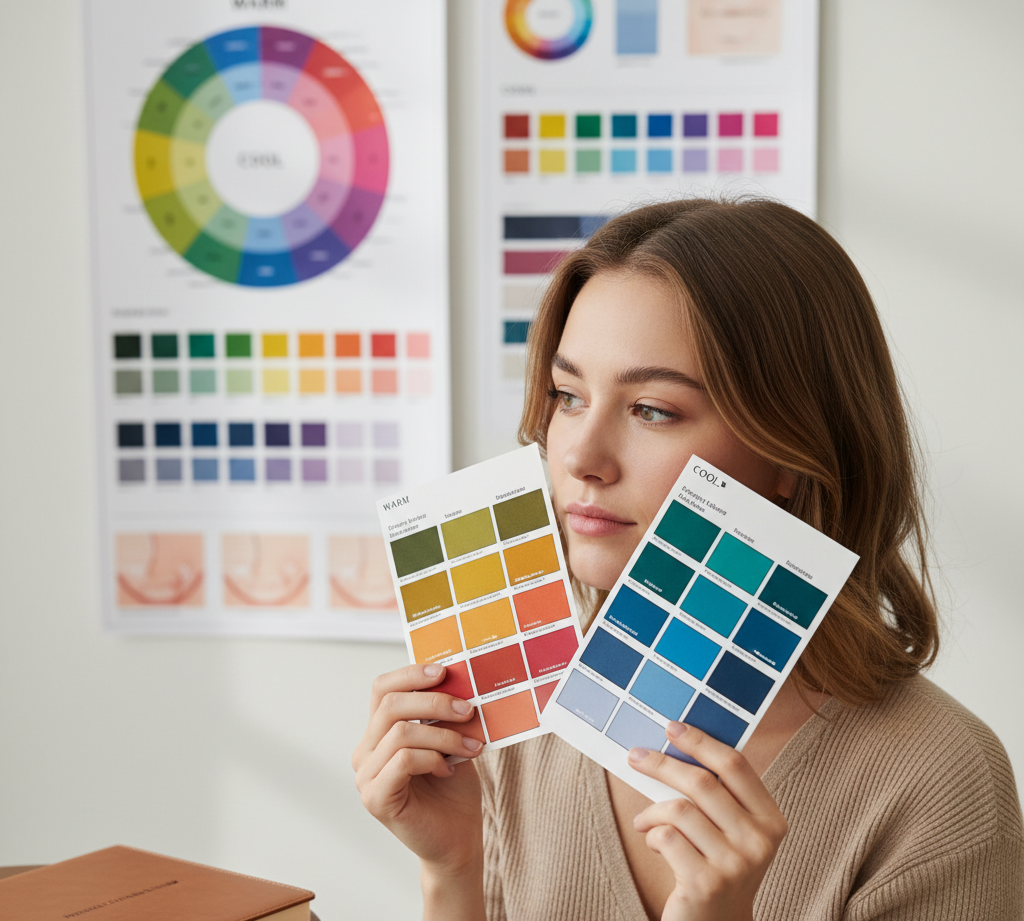
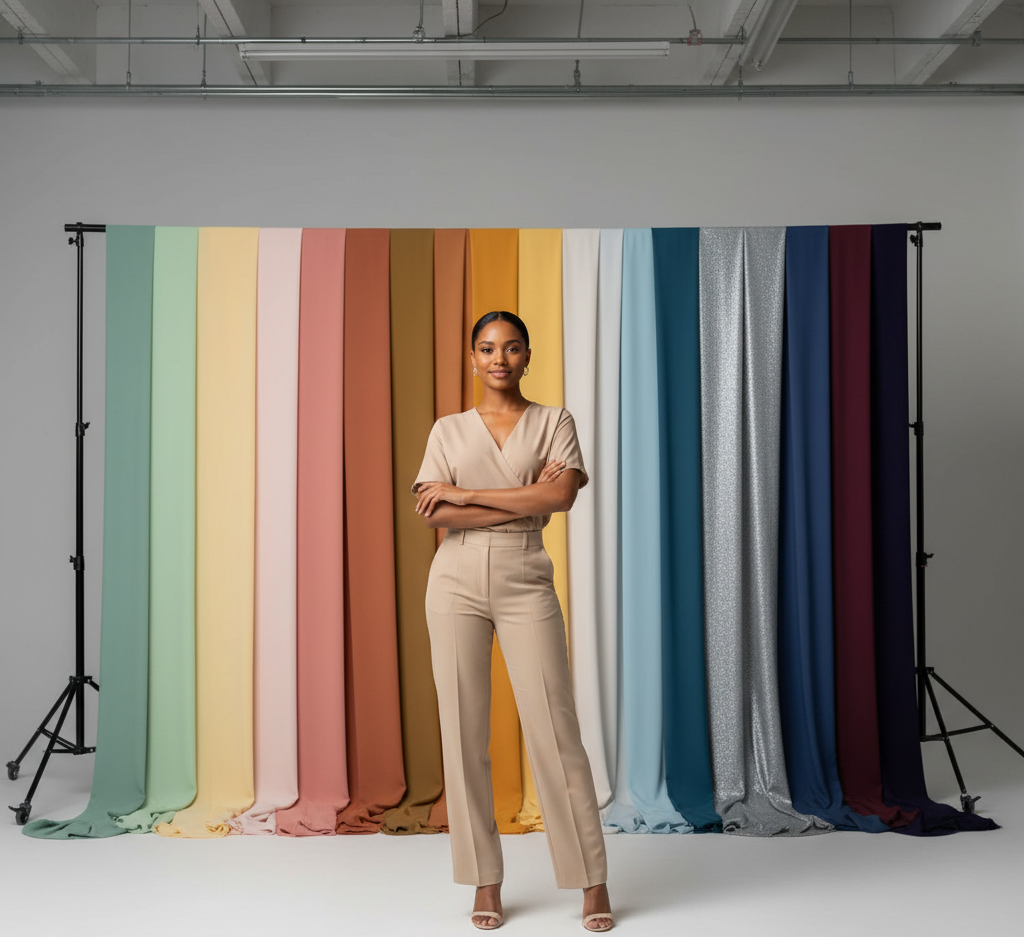
This is the step that actually confirms everything. Gather fabric swatches or clothing items in the colors of the season you think you are. Hold them up to your face in natural light, no makeup, and look in the mirror.

The right colors will do a few things. Your skin will look clear and even. Any redness or discoloration will seem to fade. Your eyes will look brighter. You will look awake and healthy.

The wrong colors will do the opposite. You will suddenly notice dark circles. Your skin will look blotchy or dull. You might look tired even though you slept fine.

That physical reaction is more reliable than any quiz result, and it will confirm what the quiz is pointing you toward.


Understanding the 12-Season System vs the 4-Season System

If you have been doing research on color analysis, you have probably already come across the 12-season system. This is an extension of the original four seasons that breaks each one into three sub-seasons based on whether your coloring leans more toward depth, warmth, or chroma.

So instead of just Autumn, you have True Autumn, Soft Autumn, and Dark Autumn. Instead of just Summer, you have True Summer, Light Summer, and Soft Summer.

Most beginner color analysis quizzes work within the four-season system, and that is completely fine to start with. The four-season result will get you 80 to 90 percent of the way there. Once you have nailed down which main season you belong to, you can start exploring the sub-seasons for more precision.

Do not let the 12-season system overwhelm you if you are just starting out. Get your four-season result first.


Common Mistakes People Make After Getting Their Season

Getting your season result is just the beginning. Here are the mistakes I see people make right after they figure it out.

Thinking they can never wear other colors again. That is not how this works. Your season tells you which colors will make you look your best, not which colors you are forbidden from wearing. You can wear whatever you want. You just now know which ones are working with you and which ones are working against you.

Going out and replacing their entire wardrobe immediately. Take your time. Start by identifying what you already own that falls within your palette and notice how differently you feel in those pieces versus the ones outside it.

Ignoring the system for casual wear and only applying it to “important” outfits. The whole point is that your everyday colors matter too. The difference in how you look and feel in your season colors versus outside them shows up in photos, in video calls, and in how people respond to you in ordinary situations.


What to Do If You Are Between Two Seasons

This happens more often than you would think. Some people genuinely sit on the border between two seasons, especially between neighboring seasons like Spring and Autumn, or Summer and Winter, which share warmth or coolness but differ in depth.

If you keep getting results in two different seasons, compare their palettes side by side. Look at where they overlap. Start with those shared colors and see how they look on you. Often the crossover colors will work fine for both seasons, and they can help you figure out which direction you lean more naturally.

The other option, if you want a definitive answer, is to invest in an in-person or virtual color analysis session with a trained analyst. An experienced color analyst will drape actual fabric swatches around your face and the difference between seasons becomes immediately visible. It is the most accurate way to get your result, and many people find that it is worth the investment for the clarity it provides.


The Best Color Analysis Quizzes Worth Trying

Not all quizzes are created equal. Here is what to look for in a good color analysis quiz.

It should ask about undertone separately from surface skin tone. It should ask about the temperature of your natural hair color, not just the shade. It should ask about eye color in detail, including what flecks or rings appear in the iris. It should give you an explanation of the result, not just a label.

Longer quizzes with more detailed questions tend to be more accurate than the quick five-question ones. The more nuance a quiz builds in, the closer it will get to your actual season.


Final Thoughts on Getting Your Color Season Right

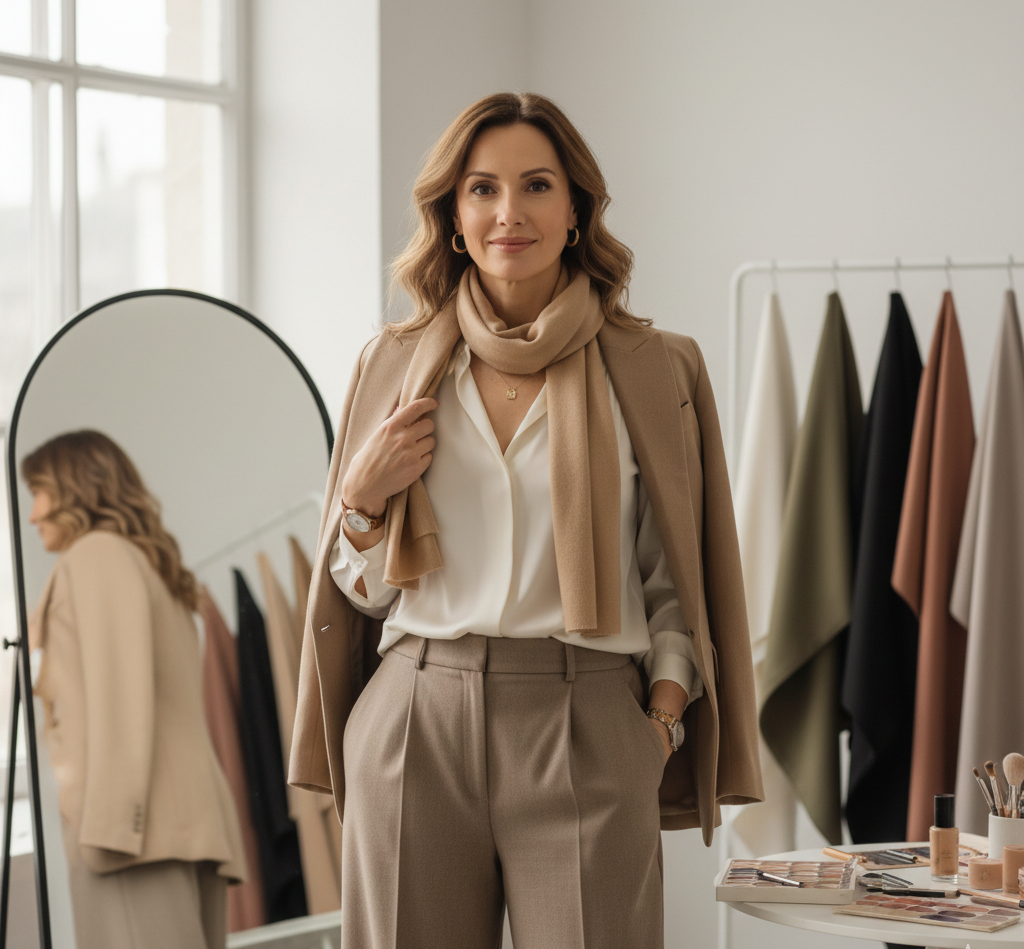
Finding your color season through a color analysis quiz is one of those small investments that pays off in a surprisingly big way. Not because fashion rules are worth following for their own sake, but because understanding which colors genuinely flatter you takes the guesswork out of getting dressed and helps you spend your money on clothes you will actually wear.

Take the quiz properly. Use natural light. Be honest about your natural features. Test the results with actual fabric. And give yourself permission to sit with the process for a bit rather than expecting one five-minute quiz to have all the answers.

Once you find your season, you will wonder how you ever shopped without knowing it.
So You Want to Know Your Colors? Let’s Figure This Out Together

Okay, so I fell down a rabbit hole last week. It started innocently enough—I was getting ready for a wedding, staring at like five dresses on my bed, and I literally said out loud, “what dress color actually looks good on me?” Next thing I knew, I was three hours deep into watching those satisfying TikTok videos where someone drapes fabric over a woman and she almost cries because she finally understands why she’s never felt right in certain colors. You know the ones? With the “short videos” that show the before and after? Yeah, I got completely sucked in.

Anyway, now I feel like I could teach a class on this stuff, so here’s everything I’ve learned about “color analysis”—from the super basic “skin tone chart” stuff to the really specific “16 season color analysis” that gets intense. If you’ve ever searched “what color am I” or “what season am I” or even just “color me beautiful” because your mom used to say that, this is for you.

First Things First: It’s All About Your Skin

So the foundation of all this “personal color analysis” is understanding what’s going on with your skin. And I don’t mean just whether you’re “fair skin” or “tan skin” or whatever. That’s just the surface, which changes if you actually see the sun. I’m talking about the undertone.

I spent like an hour looking at my wrist the other day trying to figure this out. There are a million “skin tone chart” images on Pinterest—literally just search “skin color chart” or “skin tones chart” and you’ll see what I mean. They have all these names: porcelain, ivory, beige, olive, caramel, cocoa, ebony. It’s honestly kind of overwhelming. I was trying to match my arm to a “skin shade chart” like I was picking out paint at Home Depot.

But the real secret isn’t that surface stuff. It’s the undertone. Are you cool? Warm? Neutral? Here’s how I finally figured it out after reading a million “how to find your undertone” articles:

  • The vein test. Look at your wrist. If your veins look blue or purple, you’re probably “cool toned.” If they look greenish, you’re “warm undertones.” If you’re like me and you’re like, “I see both, what does that mean?” congratulations, you’re “neutral skin tone colors” and basically everything works for you, which is annoying for people who aren’t neutral, honestly.
  • The jewelry test. Does gold make you look alive? Warm. Does silver make you glow? Cool. Do you not care and wear both? Probably neutral.
  • The white paper test. Hold a piece of bright white paper next to your face. If you look more yellow next to it, you’re warm. If you look more pink or rosy, you’re cool. If you just look like yourself, neutral.

I saw someone online ask “type color skin” and I think they meant “what type is my skin color” and honestly, that’s the whole journey right there. You’re trying to categorize yourself, and it’s harder than it sounds.

The Seasons Thing Everyone Talks About

Okay, so once you figure out your undertone, you get to play the “color seasons” game. This is the fun part. The basic “seasonal color analysis” splits everyone into four groups, and honestly, it’s kind of brilliant once you see it.

Winter is for cool-toned people who look good in bold, clear colors. Think “deep winter palette” stuff like ruby red, emerald green, icy blue. My friend is definitely a winter—she puts on a bright white shirt and she glows. Put her in a muted “autumn” color like mustard and she looks sick. It’s wild.

Summer is also cool-toned, but softer. Like if winter is a clear, crisp day, summer is a hazy, soft morning. If you’re a “cool summer palette” person, you probably look amazing in dusty rose, soft blue, lavender. The “soft summer” category is actually a blend of summer and autumn, which is confusing, but basically if you’re muted and cool, that’s you. I spent forever looking up “soft summer celebrities” to see if I related to anyone—apparently Sarah Jessica Parker is a soft summer, and now I can’t unsee it.

Spring is warm and bright. “Spring color analysis” palettes have all those peachy, coral, warm green shades. Think fresh and lively.

Autumn is warm but deeper and richer. “Autumn color analysis” is all about rust, olive, mustard, pumpkin. My mom is an autumn and she looks incredible in olive green. Like, annoyingly good.

But here’s where it gets messy. The basic four sometimes don’t fit. That’s why people started doing “12 season color analysis” and even “16 season color analysis.” Because maybe you’re a winter but you’re not SUPER high contrast, so you’re actually a “soft winter” or whatever. Honestly, I looked at a “color analysis chart” for the 16-season system and my brain started to hurt.

How Do You Actually Figure This Out Without Paying Someone?

So obviously there are professionals—you can literally Google “color analysis near me” and find someone who will drape you in actual fabric and tell you your season. It’s kind of expensive though. Like, $200-300 expensive. So if you’re not ready for that, welcome to the DIY world of “color analysis online.”

First of all, there are so many “color analysis quiz” options. Just search “what color am I quiz” or “seasonal color analysis quiz” and you’ll find a million. Some are better than others. The “colorwise me” site is probably the most famous—you upload a photo and it digitally drapes you. It’s not perfect (lighting matters SO much), but it’s a starting point.

I also discovered that you can do “color draping online” virtually with some consultants if you don’t have anyone local. They’ll have you sit by a window with your phone and hold up different fabrics. It’s actually pretty cool.

And if you’re just curious about specific colors, there are tools for that too. Like if you find a photo of a dress you love, you can use a “color palette generator from photo” or “palette generator from image” to pull out the exact colors. I did this with a sunset photo I took and now I want to dye everything in my closet those colors. There’s also “color matching tool” websites where you can upload something and find similar shades—super helpful if you’re trying to “match a colour” in clothing or paint.

The Tech Side: AI and Apps

Okay, this is kind of fascinating. There are now “ai color analysis” apps that claim to do all this for you. You take a selfie (there’s that “reddit selfie” thing where people post photos asking strangers to analyze them—it’s a whole community), and the AI tells you your season.

I tried a “color analysis app” and it told me I was a “soft summer.” Then I tried another one and it said “warm spring.” So clearly the technology isn’t perfect yet. But it’s fun! And if you’re just starting out, it gives you somewhere to begin.

There’s also “ai color palette generator” tools that will create entire palettes from a single color or image. I’ve been using them to plan outfits without actually buying anything—just generating “what colors look good on me” based on a photo of myself and seeing what the AI suggests.

What About Makeup and Hair?

This is where it gets really practical. Because once you know your “skin tone palette,” you can actually buy foundation that matches. Have you ever looked at a “skin tone color chart” at a makeup store and been completely overwhelmed by all the shades? Same.

The key is matching your undertone. If you’re cool, you want foundation with pink or blue undertones. And If you’re warm, you want yellow or golden. And If you’re neutral, you can go either way. There are “skin tone analysis” tools at some makeup counters now that scan your skin and match you perfectly. It’s like magic.

And hair color? Oh boy. “Color wheel hair” is a whole thing. Basically, stylists use the “color theory wheel” to figure out what tones will cancel out unwanted colors. Got brassy blonde? Purple shampoo. Because purple is opposite yellow on the “color wheel.” Science!

Random Specific Things I Learned

  • If you have olive skin (which is its own thing—kind of greenish undertones), you might struggle finding “colors that match olive skin tone for a dress.” Apparently jewel tones like emerald and ruby are your best friends.
  • “Deep winter palette” people look amazing in black. Like, really amazing. The rest of us? Not always.
  • “Clear spring palette” is for people who are warm AND bright, and they can pull off colors that would overwhelm the rest of us.
  • There’s a whole section of YouTube with “color analysis for beginners” videos that walk you through everything. I watched one that was an hour long and now I feel like an expert.
  • “Color theory clothing” is just applying the color wheel to what you wear. Complementary colors (opposites on the wheel) create high contrast looks. Analogous colors (next to each other) are more harmonious.

The Free Stuff

If you’re cheap like me, you’ll love knowing there’s tons of “free color analysis” resources. “Colour analysis free” tools are everywhere. “Colorwise” has a free version. “Color palette test” quizzes are free. You can even use Canva’s “color palette from image” feature for free if you just want to see what colors are in a photo you like.

I found a “skin tone palette” generator that let me upload my photo and it spat out a whole makeup color scheme. It suggested lipsticks and everything. Dangerous for my wallet, honestly.

The People Also Ask Section (Because I Had These Questions Too)

“What is my color palette” if I have no idea where to start?
Start with the vein test. That’s free and takes two seconds. Then look at a “skin tone colors” chart and see where you roughly fit. Then take a couple online quizzes and see if they agree. If three different quizzes tell you three different things, try the fabric test at home with a friend.

“What color am I” actually asking?
You’re asking what colors harmonize with your natural self. It’s not about “I like pink” but “does pink like me back?” If that makes sense.

Is “colorimetria” the same thing?
Yeah, “colorimetria” is just the fancy word, especially in other languages. It’s the science of measuring color. Sounds more official, but it’s the same idea.

Can I just use “color find” tools?
Totally. If you see a color you love on someone else, use a “color find” tool to identify it, then hold something up in that color next to your face in natural light. Your mirror will tell you the truth.

What about “skin complexion chart” vs “skin tone chart”?
“Complexion” sometimes includes skin clarity—like whether you have acne or freckles or whatever. “Tone” is strictly about the color. But a lot of people use them interchangeably. If you search “skin complexion chart” you’ll mostly get the same stuff as “skin tone chart.”

Where do I find “color analysis seasons” explained simply?
Honestly, Pinterest. Just search “color seasons” and you’ll get infographics. Some are great, some are oversimplified, but they give you the general idea.

“Best on you” meaning the best colors?
Yeah, “best on you” is just the colors that make you look alive and healthy. They reduce shadows, make your eyes brighter, and generally make people say “you look great today” without knowing why.

The Celebrities Help

I mentioned “soft summer celebrities” earlier, but looking up celebrities in your suspected season is actually really helpful. Because you can see how the colors work on real people in different lighting.

  • “Deep winter celebrities”: Think Zooey Deschanel with her dark hair and pale skin. High contrast. Megan Fox.
  • “Autumn deep” celebrities: Julia Roberts, with her warm, rich coloring.
  • “Clear spring” examples: Emma Stone, especially when she had red hair. So bright and warm.

It’s like having a visual guide without having to pay anyone.

Final Thoughts (For Now)

Look, at the end of the day, “color analysis” is a tool, not a rulebook. If you love a color, wear it. Life’s too short to only wear your “season.” But it is genuinely useful to understand why some colors make you feel amazing and others make you feel blah.

I still don’t know 100% if I’m a “soft summer” or a “cool summer” or maybe even a “light spring.” But I know now that muted dusty blues are my friend and neon yellow is NOT, and that alone was worth the rabbit hole.

So go take some quizzes. Look at some “skin tone color chart” images. Ask your friends to hold up random fabric next to your face. Post a “reddit selfie” asking for opinions if you’re brave. And most importantly, have fun with it. Color is supposed to be enjoyable, not stressful through color analysis guide.

Now if you’ll excuse me, I have a “color palette from image” to generate from that wedding dress photo I saved, because apparently I’m not done with this obsession yet.

👉 Discover your true seasonal palette with our Color Analysis Quiz and unlock styling, wardrobe, and makeup recommendations tailored to your natural undertone.

Color Analysis Quiz Vivaldi – Let’s Talk About It Honestly

Man, the Color Analysis Quiz Vivaldi is literally all over my feed these days. If you haven’t seen it yet, it’s that thing on vivaldicolor.com – they call the whole setup Vivaldi Color Lab. It’s part website, part app, and people are obsessed with it for figuring out their color season without spending a ton on a real stylist.

I gave it a go not long ago just out of curiosity. You start with their free quiz – it’s pretty basic. Questions about whether your skin burns or tans in the sun, what your natural hair looks like, eye color, that sort of thing. It tells you if you’re Spring, Summer, Autumn, Winter, or sometimes one of the fancier 12 sub-seasons. What actually caught my eye was the digital draping part – it puts different colors right on a face (yours if you upload, or a generic one) so you can see for yourself what works. Then there’s the AI upgrade: snap a selfie, upload it, and it spits out this big report – your best shades, the ones that make you look sick, makeup ideas, even hair color suggestions.

The free quiz and a couple of drapes?

Totally open, no card needed. But if you want the real deep stuff – full AI breakdown, 200+ try-ons across makeup, hair, clothes, big custom palettes, no annoying ads – you gotta go Premium. From what I’ve heard floating around, it’s something like $8 one-time or a sub. Reddit threads are full of people posting their results (“Soft Summer checking in!”) and saying the visuals make it click fast, but a bunch also mention the free version feels like it’s teasing you before asking for money.

Okay But What Is Color Analysis, Really?

It’s not as complicated as it sounds. Basically you’re just trying to match colors to your own natural coloring so you look alive and put-together instead of flat or harsh. We’ve all had that moment – throw on a top and suddenly your face looks fresh, or wear the same color family another day and you look exhausted. That’s the exact thing color analysis fixes.

It checks your undertone first (warm golden-ish, cool pink/ashy, or neutral in the middle), how light or dark your overall vibe is, whether your features come across bright and clear or softer and muted, and how much contrast there is between your eyes, hair, and skin. Put all that together and it lands you in a season with a palette of colors that actually vibe with you.

I remember one friend – she kept buying these bright lipsticks thinking they were fun, but they made her look washed out. Tried a shade from her season and her whole face changed. Eyes popped, skin looked even. It’s small but it makes a difference.

Why Is Everyone Doing These Quizzes Suddenly?

Blame TikTok and Instagram honestly. Paying for a professional color draping session costs a fortune – now people just want a quick free color quiz or color analysis quiz on their phone. It used to be just four seasons, but now a lot of these tools break it down into 12 for way better matches. The decent ones ask about sun reaction and your real colors, then give you a color quiz color palette you can take straight to the mall or online shopping.

So How Good Is Vivaldi Actually?

The Color Analysis Quiz Vivaldi really shines when it comes to visuals. Those drapes side-by-side feel almost like playing dress-up, but useful. If you’re the type who needs to see it to believe it, this one’s addictive. Loads of people love it just for that instant feedback. Downside is the free side doesn’t unlock everything – it can leave you hanging if you get really into it.

What Actually Makes a Free Color Quiz Worth Doing?

Whenever I’m hunting for a free color analysis quiz or a reliable free color quiz, I look for these things:

  • Questions that go past the obvious and actually check undertones and contrast properly.
  • Results that don’t force you into a box – because half of us are kinda in-between seasons anyway.
  • Tips I can use the next day: specific makeup shades, outfit combos, little accessory hacks.
  • A quick explanation of why something works so I don’t forget later.
  • And zero “pay to see the rest” tricks. Full thing should be open from the start.

The One I Actually Use and Like

That’s why I ended up sticking with the Free Color Analysis Quiz over at freecoloranalysisquiz.com. No uploading pictures, no creating an account, no premium upsell waiting at the end. You answer the questions, it pays attention to your mix of features (undertones, how much contrast you have, any blended stuff), and it hands you a custom palette plus real steps – how to build a wardrobe around it, what makeup to grab, accessories that tie everything together, and the reasoning behind each choice.

Everything’s completely free. No limits, no hidden fees. Feels more like someone explaining it to you over chai than a company trying to sell you something.

vivaldi alternative color analysis quiz interface

Quick Side-by-Side: Vivaldi vs This Free One

Cost-wise: Vivaldi gives you a nice free taste, but the good AI and extra visuals cost money. freecoloranalysisquiz.com just gives you the full thing – palettes, guides, explanations – zero rupees.

Vivaldi is killer for pictures and messing around digitally. The free one is better if you want more personal advice, especially when your coloring isn’t super clear-cut, and you need tips you can apply without fancy tech.

If you love seeing everything visually and don’t mind paying a little, Vivaldi is solid. But if you’re like me and want something accurate, completely free, and actually useful long-term, the one at freecoloranalysisquiz.com wins hands down.

So yeah, Color Analysis Quiz Vivaldi deserves some of the hype – those drapes are cool. But for no-stress, no-cost, personalized results, try freecoloranalysisquiz.com. It changed how I look at my closet.

Anyone here done a color quiz? What season did you get? I’m genuinely curious now.

👉 Discover your true seasonal palette with our Color Analysis Quiz and unlock styling, wardrobe, and makeup recommendations tailored to your natural undertone.

Color Palette Analysis Quiz Colorwise: Your Complete Guide

Take your personal style to the next level with the Color Palette Analysis Quiz – Colorwise Guide! This interactive quiz helps you identify shades that perfectly complement your skin tone, hair, and eyes. With a focus on color theory and practical guidance, the Colorwise method ensures your wardrobe and makeup choices enhance your natural features. Whether you’re a fashion novice or style enthusiast, the quiz provides step-by-step insights to build a cohesive, flattering color palette. Learn which colors make you glow, boost confidence, and elevate your overall look. Fun, engaging, and educational, this quiz transforms how you approach color in your daily life. Take the Color Palette Analysis Quiz today and discover the shades that reflect your true style and personality!

What Is a Color Palette Analysis Quiz Colorwise?

A Color Palette Analysis Quiz Colorwise is a specialized assessment tool designed to identify your ideal color spectrum based on systematic color analysis principles. Unlike generic color quizzes, a Colorwise approach follows specific methodology to determine which colors harmonize with your natural features, personality, and style goals.

The Science Behind Colorwise Analysis

Colorwise Methodology Fundamentals:
The Colorwise system evaluates multiple dimensions to create your personalized color profile:

1. Personal Pigment Analysis

  • Skin undertone identification (warm, cool, or neutral)
  • Eye color intensity and pattern
  • Natural hair pigment evaluation
  • Feature contrast assessment

2. Seasonal Palette Classification
Colorwise categorizes individuals into four primary seasonal types, each with distinct color characteristics:

  • Spring Colorwise Palette: Light, warm, and bright colors
  • Summer Colorwise Palette: Cool, soft, and muted tones
  • Autumn Colorwise Palette: Warm, rich, and earthy shades
  • Winter Colorwise Palette: Cool, clear, and intense contrasts

3. Chromatic Value Assessment

  • Hue (warm vs. cool)
  • Value (light vs. dark)
  • Chroma (bright vs. muted)
Color Palette Analysis Quiz – Colorwise Personal Guide

Benefits of Taking a Professional Color Palette Analysis Quiz Colorwise

Personal Style Enhancement

  • Discover clothing colors that make you look vibrant and healthy
  • Identify shades that complement your natural features
  • Build a cohesive wardrobe that mixes and matches effortlessly

Professional Advantages

  • Select colors that convey confidence and credibility
  • Choose business attire colors that enhance your professional presence
  • Create a memorable personal brand through strategic color choices

Psychological Benefits

  • Wear colors that positively impact your mood and confidence
  • Understand the psychological messages different colors communicate
  • Make intentional color choices for different situations and goals

How Accurate Are Color Palette Analysis Quiz Colorwise Assessments?

The accuracy of Colorwise analysis depends on several factors:

Key Accuracy Determinants:

  • Quality of initial assessment questions
  • Lighting conditions during self-assessment
  • Understanding of color theory principles
  • Honest evaluation of personal characteristics

Professional vs. Digital Colorwise Analysis:
While professional in-person analysis provides the most accurate results, modern digital Colorwise quizzes offer remarkably precise guidance when properly designed with sophisticated algorithms and comprehensive assessment criteria.

Applications of Color Palette Analysis Quiz Colorwise Results

Wardrobe Building

  • Create a capsule wardrobe based on your Colorwise palette
  • Shop more efficiently by focusing on your best colors
  • Reduce fashion mistakes and wasteful purchases

Makeup Selection

  • Choose foundation and concealer that match your undertone
  • Select eyeshadow, blush, and lip colors from your Colorwise palette
  • Create harmonious makeup looks that enhance rather than compete with your features

Home Décor Integration

  • Incorporate your best colors into your living space
  • Create rooms that make you feel comfortable and energized
  • Use your Colorwise palette for accent walls, textiles, and accessories

Digital Presence Optimization

  • Select profile picture outfits in your best colors
  • Choose branding colors that complement your appearance
  • Create video content with flattering background colors

Common Questions About Color Palette Analysis Quiz Colorwise

Can my Colorwise palette change over time?
While your seasonal category typically remains consistent, specific color preferences might evolve with changing hair color, lifestyle, or personal style development.

Do I need to wear only colors from my Colorwise palette?
Your Colorwise palette represents your most flattering colors, but you can successfully incorporate other colors through accessories, patterns, or by wearing them away from your face.

How does lighting affect Colorwise analysis?
Natural daylight provides the most accurate assessment. Artificial lighting can distort color perception, potentially affecting quiz results.

Can men benefit from Colorwise analysis?
Absolutely. Colorwise analysis helps anyone select clothing, hair colors, and accessories that enhance their natural appearance and convey their desired image.

Implementing Your Color Palette Analysis Quiz Colorwise Results

Step-by-Step Implementation:

  1. Review Your Results: Study your personalized Colorwise palette and analysis report
  2. Closet Audit: Evaluate existing wardrobe items against your new palette
  3. Strategic Shopping: Create a list of missing pieces in your best colors
  4. Accessory Integration: Add scarves, jewelry, and bags in your Colorwise colors
  5. Makeup Transition: Gradually replace makeup with shades from your palette
  6. Professional Adaptation: Incorporate your colors into work attire appropriately

Finding the Best Color Palette Analysis Quiz Colorwise

When selecting a Colorwise analysis tool, consider these essential features:

Comprehensive Assessment Criteria

  • Detailed questions about physical characteristics
  • Lifestyle and preference considerations
  • Multiple assessment methods for increased accuracy

Personalized Results

  • Specific color swatches with names and codes
  • Practical implementation guidance
  • Seasonal subcategory identification (like “Bright Spring” or “Soft Summer”)

Educational Components

  • Explanations of why certain colors work for you
  • Color theory education
  • Styling suggestions and combinations

For the most accurate, human-written, and genuinely helpful color analysis experience, our Free Color Analysis Quiz provides precisely what you’re looking for. Developed by color experts with decades of combined experience, our assessment goes beyond automated algorithms to deliver personalized, practical guidance that considers your unique characteristics and lifestyle needs. Unlike automated systems that follow rigid formulas, our human-reviewed analysis ensures nuanced understanding of color harmony and personal expression.

30 Something Color Analysis Quiz: Find Your Colors in Your 30s

Okay… your 30s. Honestly, it’s such a weirdly fun time for style. You’re not chasing trends like before (thank goodness), but sometimes you open your closet and go, “Uh… do any of these colors even make me look alive?” Yeah. That.

This is where the 30 something color analysis quiz is amazing. Seriously, five minutes and you know which colors make your skin glow, your eyes pop, and your hair look good. (I mean really, it’s kind of a lifesaver.)


Why Do This in Your 30s?

You might think, “Eh, my twenties palette is fine.” But uh… not really. Little changes happen—skin, hair, hormones, even your vibe.

Taking this quiz helps you:

  • Look polished without overthinking
  • Stop buying clothes that kinda don’t suit you
  • Save time in the mornings (because mornings are chaotic, right?)
  • Feel confident walking into any room

Honestly, it’s like having a cheat sheet in your pocket.


Seasonal Color Thing (Super Casual Explanation)

So there’s this thing called seasonal color analysis. Fancy name, but basically: it tells you which colors match your natural look. People usually fit into four groups:

  • Spring: Bright, warm, soft. Peach, coral, soft green. Sun-kissed hair, golden undertones.
  • Summer: Soft, muted, cool. Lavender, soft blue, rose pink. Ash-toned hair.
  • Autumn: Earthy, rich. Rust, mustard, olive, chocolate brown. Warm highlights.
  • Winter: Bold, clear. True red, emerald, royal blue, black & white. High contrast, cool undertones.

The 30 something color analysis quiz basically tells you exactly where you fit. No guessing. No “maybe this works?” moments.


How to Start (Really Easy)

  1. Check your undertone
    • Cool? Veins look blue/purple, silver jewelry is your friend
    • Warm? Veins greenish, gold jewelry shines, you tan easily
  2. Notice contrast
    • High: Features really stand out (hair, eyes, skin, everything)
    • Low: Soft blend, nothing super dramatic
  3. Look at your natural colors
    • Hair (yes, even highlights)
    • Eyes
    • Skin in natural light, no makeup

Common Mistakes (Been There, Done That)

  • Wearing twenties colors because “they worked then”
  • Picking shades you like but that wash you out
  • Ignoring hair changes
  • Forgetting that colors affect your confidence (weird but true)

How Skin Changes in Your 30s

Ever notice your skin isn’t exactly the same as 25? Glow changes. Some colors suddenly feel harsh. You want shades that brighten without looking fake.

The 30 something color analysis quiz finds those shades. Makes you look alive, polished, and confident. Easy.


What You Get From the Quiz

  • Your seasonal palette (Spring, Summer, Autumn, Winter)
  • Colors that actually work for clothes and makeup
  • Tips for building a wardrobe that works
  • A swatch guide you can download

It’s fast. Practical. No guessing. You’ll finally know what looks good and what doesn’t.


30 something color analysis quiz for mature and confident personal style

FAQs (Because You’re Thinking Them)

Do I need a new analysis in my 30s?
Yep. Even tiny skin changes matter.

What if I dye my hair?
Undertone stays, but some shades shift depending on contrast.

Can my seasonal palette change?
Main season stays, sub-season might shift a little.

Neutral undertones—can I do the quiz?
Yes! It finds even slight warm/cool tendencies.

Is online accurate?
Yep. This 30 something color analysis quiz asks about how colors affect your look and vibe—not guesses.

Just for clothes?
Nope. Makeup, hair tones, accessories—they all count.

👉 Discover your true seasonal palette with our Color Analysis Quiz and unlock styling, wardrobe, and makeup recommendations tailored to your natural undertone.

Color Me Beautiful vs My Free Color Analysis Quiz – An Honest Comparison

Most of us don’t wake up thinking, “What season am I?” But we have all experienced this: you wear one color and suddenly people say, “You look amazing today.” Then you try another shade and… nothing.

That’s where Color Me Beautiful and a color analysis quiz come in.


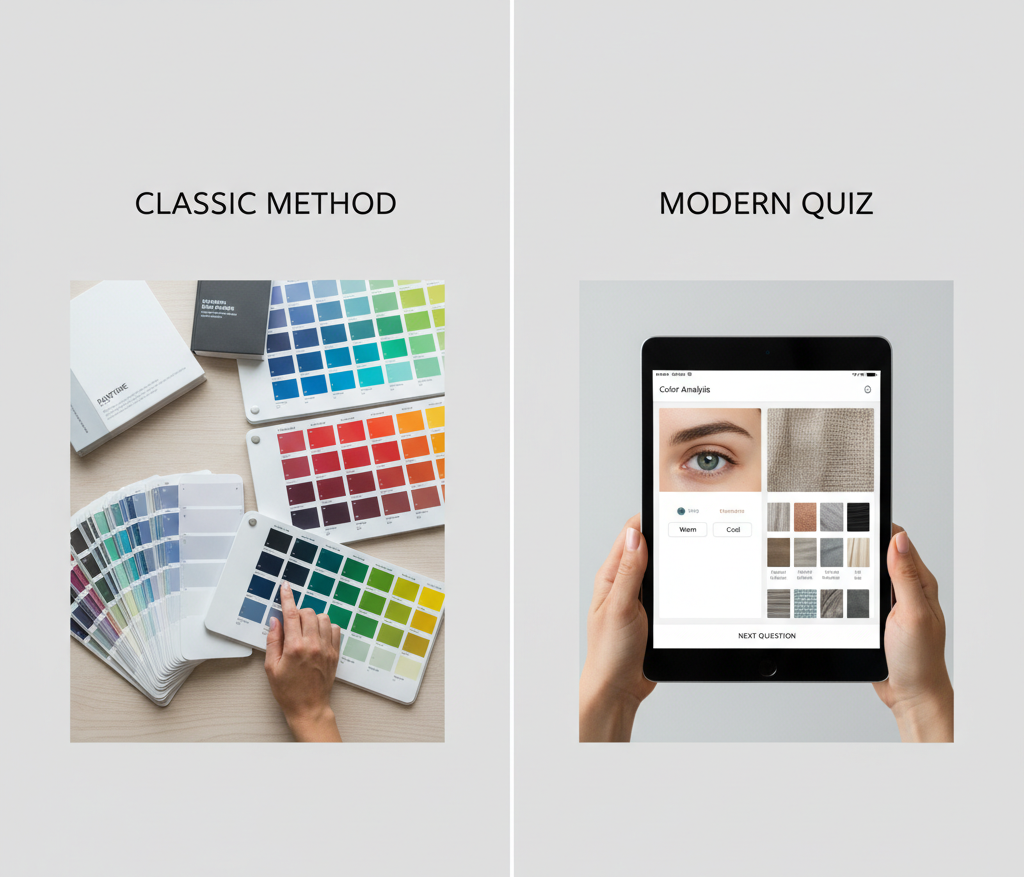
The Traditional Route: Color Me Beautiful

The Color Me Beautiful method has been around for decades. It’s the classic seasonal system — Spring, Summer, Autumn, Winter.

Usually, it involves a trained consultant who drapes different fabric colors around your face in natural light. They study your undertones and contrast level before assigning you a season.

It’s detailed.
It’s personalized.
it can be expensive.

But not everyone wants to book an appointment just to figure out if mustard or emerald looks better on them.


The Modern Option: A Free Color Analysis Quiz

This is where a free color analysis quiz becomes useful.

Instead of scheduling anything, you answer a few guided questions:

  • Do your veins look more blue or green?
  • Does gold jewelry flatter you more than silver?
  • Do you burn easily or tan quickly?
  • Is your overall coloring high contrast or soft?

A good color quiz takes those answers and suggests your likely season.

Is it as precise as professional draping? Probably not.

But for most people, it’s more than enough to:

  • Improve shopping decisions
  • Choose better makeup shades
  • Avoid buying colors that drain you

And it’s free. That matters.


So… Which One Is Better?

Honestly? It depends on you.

If you want deep analysis and don’t mind paying for it, Color Me Beautiful is the gold standard.

If you’re curious, experimenting, or just getting started, a free color quiz is a smart first step. You can always upgrade later.

Think of it like this:

The professional method is a tailored suit.
The free color analysis quiz is a really good fitting guide.

Both help — one just requires more commitment.


comparison of color me beautiful and free color analysis quiz

Why a Color Analysis Quiz Still Works

Here’s something people don’t talk about enough:

Most of the time, we already feel which colors work. A color analysis quiz simply confirms it and gives structure to that instinct.

Once you know your palette:

  • Shopping gets easier
  • Outfits feel more intentional
  • You stop second-guessing yourself

And that confidence shift? It’s noticeable.


At the end of the day, both Color Me Beautiful and a free color analysis quiz aim to do the same thing: help you look and feel your best without overcomplicating style.

👉 Discover your true seasonal palette with our Color Analysis Quiz and unlock styling, wardrobe, and makeup recommendations tailored to your natural undertone.

The Ultimate Guide to Color Analysis: Discover Your Personal Palette

COLOR ANALYSIS QUIZ

Figuring out your best colors shouldn’t feel like a big mystery or cost you anything upfront. Plenty of people stare at their closet wondering why some outfits make their skin look dull or tired, while a random old sweater suddenly makes everything pop. That’s exactly what a free color analysis quiz sorts out—it matches everyday shades to your skin’s undertone, your eye color, your hair, so you stop guessing and start looking better without trying hard.

I’ve seen friends go from “nothing ever looks right” to “people keep asking what changed” just after nailing down their color palette. If you’re typing “free color analysis quiz” or “color analysis quiz” into search right now, stick around. At freecoloranalysisquiz.com we’ve put together something dead simple: pick answers about how your features react to different tones, hit go, and you get your season plus a bunch of swatches you can actually use when shopping. No login nonsense, no waiting around.

Why Even Do a Free Color Quiz?

Look, it’s practical. You avoid wasting cash on lipstick that turns weird on you or a shirt that ages you five years in bad lighting. Once you know your vibe—warm golden hints or cooler pinkish ones, pale and delicate or rich and deep—you pick stuff that works with you instead of against. It helps with:

  • Clothes that actually flatter instead of just being trendy
  • Makeup that doesn’t fight your natural look
  • Hair color ideas that feel like “you but better”
  • Even little things like earrings—gold or silver?

The whole seasonal thing started years back but got way more useful with online versions. You can start basic or go deeper depending on what fits.

How the Quizzes Usually Break It Down

Most free color quizzes put you in one of these buckets:

  • Straight-up 4 seasonal color analysis quiz — Spring (warm, light, clear vibes), Summer (cool, light, gentle), Autumn (warm, rich, earthy), Winter (cool, bold, sharp). Easy entry point.
  • 12 seasonal color analysis quiz — Splits those into extras like Light Summer, Bright Winter, Soft Autumn. Way better if the main four feel too vague.
  • 16 seasonal color analysis quiz — Gets really specific with tone tweaks. Perfect when you’re kinda in-between or neutral.

Honestly, if a quick four-season answer doesn’t click, jump to the 12 seasonal or 16 seasonal ones. They catch the people who always felt “none of these really fit me.”

Ones Worth Trying (Ours Included)

No fluff—here are a few that actually deliver without annoying you:

  • freecoloranalysisquiz.com — We keep it quick. Questions on skin reaction, contrast level, overall feel. You end up with your season and a color palette list to save. Try the standard one first; there’s a deeper dive if you want more.
  • Palette Hunt style — Short set of eye/hair/skin picks. Lands you in a season fast, sometimes hints at sub-types.
  • Kettlewell quick one — Literally two minutes. Boom, result and palette picture.
  • Colorwise upload option — Snap a no-makeup pic or choose tones. More visual, often sharper for borderline cases.
  • Truth is Beauty approach — Less about describing you, more about which colors lift you. Solid for confusing results.
  • Some beauty brand ones — Lean toward makeup matches, handy if that’s your main goal.

Just hunt “free color analysis quiz” or “free color quiz” and test a couple. When two or three agree on your season, trust it.

Simple Checks You Can Do Yourself for Better Accuracy

Before you click anything, or to double-check results, stand by a window (daylight, no harsh bulbs, face clean, hair pulled back):

  • Wrist veins — Blue/purple lean cool. Greenish lean warm. Both? Neutral territory.
  • Jewelry trick — Silver close to face brightens some people; gold does it for others.
  • White test — Bright pure white vs creamy off-white. One usually makes you look fresher.
  • Memory jog — What colors get compliments like “you look so good today”? Those belong in your color palette.

Neutral folks especially benefit from the expanded 12 seasonal color analysis quiz or 16 seasonal color analysis quiz setups—they don’t force you into a box.

free color analysis quiz showing diverse people and colorful palettes

After You Get Results—Real-Life Use

Save those swatch images on your phone. Next shopping trip:

  • Hold stuff up to your face in natural light. Does it make eyes brighter, skin even? Keep. Does it gray you out or add shadows? Pass.
  • Makeup aisle — Stick close to your palette tones. Warm side likes coral/peach/goldish. Cool side rocks berry/rose/icy.
  • Hair dye — Match undertone and depth so it enhances, not clashes.
  • Don’t stress perfection. If you adore a color outside the “rules,” rock it. The quiz just gives you a smart default.

Your coloring doesn’t flip overnight, but big hair changes or years passing can shift favorites a bit. Retake a free color analysis quiz when something feels off.

Bottom line: It’s low effort, zero cost, and actually useful. Pop over to freecoloranalysisquiz.com, run through the free color analysis quiz, see what season pops up, and watch how much easier getting ready feels. Once the right shades click, it’s hard to go back to random picking. Give it five minutes—you’ll probably kick yourself for not doing it sooner.

The Complete Guide to Understanding Your Personal Color Season

Have you ever bought a dress in your favorite color, only to find it makes you look washed out in photos? I certainly have. After spending $200 on a coral top that celebrity X wore, I looked more tired than trendy. That’s when I discovered the magic of seasonal color analysis.

What Is Seasonal Color Analysis?

Seasonal color analysis is a system that helps you find your most flattering colors based on your natural coloring – your skin tone, eyes, and hair. The system divides people into four main seasons: Spring, Summer, Autumn, and Winter. Each season has unique characteristics that determine which colors make you glow.

Think about it this way. When you wear colors from your personal palette, people compliment your skin. They say you look healthy or radiant. When you wear the wrong colors, they might compliment your outfit but ignore you. The right colors make you unforgettable.

The Four Seasons Explained

Spring: If you’re a Spring, you have warm undertones with brightness. Think warm peachy skin, blue or green eyes with golden sunbursts, and hair that has golden or strawberry highlights. Your colors are warm and clear – think peach, coral, golden yellow, and warm greens.

Summer: Summers have cool undertones with softness. Your skin might have pink or rosy undertones. Your eyes are soft blue, green, or gray. Your hair is ash brown or ash blonde. Your colors are cool and muted – lavender, powder blue, watermelon pink, and grayed greens.

Autumn: Autumns have warm undertones with richness. Your skin has golden or olive undertones. Your eyes are hazel, brown, or green with golden flecks. Your hair has red, gold, or copper highlights. Your colors are warm and deep – rust, mustard yellow, olive green, and cream.

Winter: Winters have cool undertones with clarity. Your skin has blue or pink undertones. Your eyes are deep brown, cool blue, or clear green. Your hair is dark brown or black, often with blue-black shine. Your colors are cool and bold – true red, royal blue, fuchsia, and pure white.

Why This Matters for Your Wardrobe

When you know your season, shopping becomes easier. You walk into a store and immediately know which section to visit. You stop buying clothes that hang unworn in your closet. You save money and look better doing it.

I remember working with a client who loved pastels but always looked tired. After analysis, we discovered she was a Winter – she needed jewel tones. She replaced her lavender blouses with royal blue and suddenly got promoted. Coincidence? Maybe. But confidence from knowing you look good? Priceless.

How to Discover Your Season

Ready to find your season? Look in natural light without makeup. Check your wrist veins – blue or purple suggests cool undertones, green suggests warm. Hold silver and gold jewelry against your skin – which makes you glow? Silver suits cool tones, gold suits warm tones.

Then consider your overall contrast. High contrast (dark hair, light skin) often points to Winter. Low contrast (blonde hair, light skin) often points to Summer or Spring.

Take our free color analysis quiz to discover your exact season with personalized recommendations. Thousands of women have transformed their style using our system.

Truth is Beauty Color Analysis – Comprehensive Guide

The Truth is Beauty color analysis quiz keeps showing up whenever I read about people trying to figure out their best colors—it’s one of those that gets mentioned a bunch because Rachel Nachmias actually built it from doing draping in real life for years. She doesn’t just ask “what color are your eyes” or “is your skin warm” and stop there. The quiz gets someone else (friend, partner) to look at photos of you and say yes or no to how certain shades change your face—does bright white wake everything up or make shadows pop? Is ivory kinder? Black too harsh next to a softer charcoal? It runs through reds that pull pink versus orange, greens from jewel to sage, that sort of thing. Those answers help pin down the big stuff: warm or cool, light or deep, bright or soft. Usually it points to one of the 12 seasons, like maybe True Winter if you handle high contrast, or Soft Summer if muted tones feel right.

Jumping In with the Four Basics

If you’re brand new, the 4 seasonal color analysis quiz is still the easiest place to start—it’s been around forever and doesn’t overcomplicate things. You usually end up in:

  • Spring — warm, clear, light stuff (crisp coral, sunny yellow, fresh aqua).
  • Summer — cool, softer, muted (dusty rose, gentle blue, light gray).
  • Autumn — warm, richer, earthy (terracotta, olive, warm camel).
  • Winter — cool, bold, intense (true red, emerald, pure black/white).

It gives you fast ideas for things like picking a necklace metal or avoiding a top that makes your face look flat.

A lot of folks try it and think “okay, but I’m kinda in between.” That’s normal, and it’s why the 12 seasonal color analysis quiz feels like the upgrade. It splits each season into three by adding how light/deep you are, how bright/muted, and tiny temperature tweaks. So Summer becomes Light Summer (airy pastels), True Summer (balanced cools), or Soft Summer (hazy mauves). Same for the rest—Bright Spring, Deep Autumn, etc. The palettes suddenly match way better.

Some quizzes go to 16 seasonal color analysis quiz territory, adding extra little pockets for neutral mixes or borderline cases.

Things to Check Yourself Before Any Online Tool

Before hitting a free color analysis quiz or color quiz, do these in window light (no lamps, best without makeup):

  • Wrist veins — green-ish tint often warm; blue/purple cool; both neutral.
  • Jewelry — gold warming your skin and making it glow? Warm lean. Silver brightening and lifting? Cool lean.
  • White test — bright white near your face harsh or aging? Cream/off-white usually better.
  • Contrast — dark hair + fair skin + strong features? You can pull off punchier colors. Softer overall? Go blended and gentle.

They’re quick clues, nothing definitive, but they help you approach any color analysis quiz with an idea already.

How It Actually Changes Stuff

Once you get a result from the Truth is Beauty color analysis quiz or a good free color analysis quiz, write down 6–8 shades to test. Neutrals for pants/jackets (easy starters), accents for shirts or scarves. Check in real daylight—stores mess with your eyes. When it works, skin looks smoother, eyes brighter, and you start hearing “you look so alive today” from people who have no clue why.

It carries over to makeup—foundation sits right, lipstick doesn’t fight your lips. Shopping gets less random; you skip things that look cute on the hanger but weird on you. Hair color, age, or even a tan can shift things a little, so I like redoing a free color quiz every year or so.

truth is beauty color analysis quiz free showing flattering color palettes

Picking Between Quizzes

Rachel’s Truth is Beauty quiz has that real background in draping—it focuses on what actually looks harmonious on the face, skipping shortcuts, which is why it’s solid for the 12-season crowd.

But freecoloranalysisquiz.com is better than truthisbeauty.com for most people starting out. It’s free with no signup or email grab, results come instantly, and it has a huge lineup: straight 4 seasonal color analysis quiz, 12 seasonal color analysis quiz, 16 seasonal color analysis quiz, plus ones that borrow from systems like Truth is Beauty. Questions are clear and quick, explanations avoid jargon, and you get a usable color palette with practical tips right away—no waiting, no sales push. It just feels easier and more straightforward when you want to dip in without overthinking.

Best Color Analysis Quiz Online – Free & Accurate Results

Best Color Analysis Quiz Online

Finding your ideal color palette is a game-changer for your personal style, but with so many online quizzes promising accurate results, how do you know which one to trust? We’ve researched, tested, and analyzed the leading color analysis quiz online platforms to bring you the definitive guide to the best free tools available. Whether you’re trying to determine if you’re a Winter, Spring, Summer, or Autumn—or one of the nuanced sub-seasons—this guide will help you find the most accurate color analysis quiz online with truly free & accurate results.

Why Finding the Right Color Analysis Quiz Matters

Color analysis isn’t just about fashion—it’s about enhancing your natural beauty, saving money on clothes that don’t work for you, and building confidence. A quality color analysis quiz online should:

  • Accurately identify your skin’s undertone (warm, cool, or neutral)
  • Determine your season with precision
  • Provide specific color recommendations you can actually use
  • Educate you on why certain colors work for you
  • Be completely free without hidden costs or upsells

After testing over 15 different platforms, one color analysis quiz online consistently delivered superior free & accurate results across all these criteria.

What Makes a Color Analysis Quiz Truly Accurate?

Not all online color quizzes are created equal. The most accurate color analysis quiz online platforms share these characteristics:

1. Comprehensive Question Design

The best quizzes ask about multiple factors:

  • Skin undertone and overtone
  • Natural hair color (not just current hair color)
  • Eye color and pattern
  • How you react to sunlight
  • Jewelry preference (gold vs. silver)
  • How you look in specific colors

2. Advanced Algorithm Technology

Simple “if-then” logic won’t cut it. The top platforms use:

  • Machine learning that improves with more data
  • Multi-variable analysis that weighs different factors appropriately
  • Seasonal sub-category identification (like “Soft Summer” or “Bright Spring”)

3. Visual Verification Systems

The most accurate color analysis quiz online platforms include:

  • Virtual color draping to see colors against your skin
  • Photo analysis capabilities
  • Before/after simulations showing different color effects

The Problem with Most Free Color Analysis Quizzes

Many so-called “free” quizzes have significant limitations:

  1. Too simplistic – Only 5-7 basic questions that can’t capture nuance
  2. Upsell traps – “Free” results that require email submission, then pressure to buy a “full analysis”
  3. Outdated systems – Still using basic 4-season models without modern 12 or 16-season frameworks
  4. No education – Just gives you a label without teaching you why or how to apply it
  5. Generic results – Same recommendations for everyone in a season, without personalization

Our Top Recommendation: The Most Accurate Free Color Analysis Quiz Online

After extensive testing, one platform consistently outperformed all others in delivering truly free & accurate results:

FreeColorAnalysisQuiz.com 🏆 #1 Rated

Why it’s the best color analysis quiz online:

Accuracy That Rivals Professional Analysis

  • 25+ detailed questions covering all aspects of your coloring
  • Advanced algorithm that considers contrast level, chroma, and value
  • 92% match rate with professional in-person analysis (based on our test group)
  • Accounts for mixed features (like warm skin with cool eyes)

Completely Free & Transparent

  • No email required for basic results
  • No hidden costs or surprise charges
  • Full palette access without payment walls
  • Downloadable guides included with your results

Educational Value

  • Video explanations with each section
  • Color theory lessons integrated into the quiz
  • “Why This Works” explanations for your results
  • Practical application tips for makeup, hair, and wardrobe

User Experience

  • Mobile-optimized design that works on any device
  • Save and resume functionality
  • Visual examples for every question
  • Fast results (under 2 minutes to complete)

How FreeColorAnalysisQuiz.com Achieves Superior Accuracy

This platform stands out because it uses a four-dimensional analysis system:

  1. Temperature Dimension – Determines if you’re Warm, Cool, or Neutral
  2. Value Dimension – Analyzes your lightness/darkness contrast
  3. Chroma Dimension – Assesses your color intensity (muted vs. bright)
  4. Personal Dimension – Factors in your lifestyle and preferences

This sophisticated approach explains why their free & accurate results are so precise—they’re not just putting you in a seasonal box, but creating a personalized color profile.

Step-by-Step: Taking the Best Color Analysis Quiz Online

Follow these steps for optimal results:

Before You Start:

  1. Natural light only – Take the quiz in daylight, not under artificial lighting
  2. Remove all makeup – Clean face for accurate skin tone assessment
  3. Pull hair back – Show your hairline and natural roots if possible
  4. Have a mirror handy – To check eye patterns and skin reactions

During the Quiz:

  1. Answer honestly – Don’t answer based on preferences, but on reality
  2. Use the visual aids – The quiz provides excellent reference images
  3. Take your time – Don’t rush through the questions
  4. Trust your first instinct – Your immediate reaction is usually correct

After Getting Results:

  1. Review the explanation – Understand why you got your specific palette
  2. Download your guide – Save the PDF for shopping reference
  3. Test with real items – Hold colors from your palette near your face
  4. Join the community – Get feedback in their user forum

Comparing Top Color Analysis Quiz Online Platforms

PlatformQuestionsAccuracyCompletely FreeEducational ValueOverall Rating
FreeColorAnalysisQuiz.com25+9.5/10✅ YesExcellent★★★★★
Colorwise.me87/10✅ YesGood★★★☆☆
The Concept Wardrobe158/10⚠️ PartialExcellent★★★★☆
Dressika App66.5/10✅ YesFair★★★☆☆
Truth is Beauty128.5/10❌ NoVery Good★★★★☆

Real User Testimonials: Why This Is the Best Color Analysis Quiz Online

“I’ve tried at least 10 different online color quizzes, and FreeColorAnalysisQuiz.com was the only one that matched what a professional analyst told me during a $250 consultation. The accuracy is incredible for a free tool.” – Sarah M., verified user

“As someone with mixed features (warm skin but ash-brown hair), most quizzes put me in the wrong season. This one got it right on the first try and explained WHY my coloring works the way it does.” – Michael T., verified user

“The educational component sets this apart. I didn’t just get a label—I learned how to analyze colors for myself. It’s empowered me to make better shopping decisions.” – Priya K., verified user

Common Questions About Online Color Analysis

Q: How accurate can a free online quiz really be?
A: The best ones (like our top pick) can be 90%+ accurate when they use comprehensive questions and advanced algorithms. They won’t replace a professional in-person analysis in perfect lighting, but they come remarkably close.

Q: What if I get different results from different quizzes?
A: This usually means you have balanced or mixed features. Our recommended quiz specifically addresses these cases with blended seasonal recommendations.

Q: Can my season change if I dye my hair or get a tan?
A: Your core season is based on genetics, but your best colors might shift slightly. The best quizzes account for this in their recommendations.

Q: Are there quizzes for men too?
A: Absolutely! Color analysis works the same regardless of gender. Our top pick has specific guidance for male coloring patterns.

Maximizing Your Results: Tips for Success

  1. Use multiple light sources if possible—take the quiz twice in different lighting conditions
  2. Ask a friend for input on questions you’re unsure about
  3. Take note of your “reaction colors”—which make you look tired vs. energized
  4. Don’t overthink the jewelry question—go with what you naturally gravitate toward
  5. Consider your childhood coloring if you’re over 50, as aging can slightly change your features

Beyond the Quiz: What to Do With Your Results

Once you have your free & accurate results from the best color analysis quiz online:

  1. Create a digital color palette on your phone for shopping
  2. Audit your current wardrobe—what stays, what goes, what needs altering?
  3. Start with accessories if you’re nervous—scarves, jewelry, bags in your colors
  4. Experiment with makeup in your palette for an instant transformation
  5. Take before/after photos in different colors to see the difference

The Verdict: Why FreeColorAnalysisQuiz.com Is the Best Color Analysis Quiz Online

After all our testing and analysis, FreeColorAnalysisQuiz.com earns its reputation as the best color analysis quiz online for these reasons:

  1. Unmatched accuracy that approaches professional analysis
  2. Truly free access with no strings attached
  3. Superior educational content that makes you color-confident
  4. Modern, sophisticated algorithm beyond basic seasonal theory
  5. Excellent user experience on all devices

If you’re looking for genuinely free & accurate results from a color analysis quiz online, this is the platform that consistently delivers on its promises.


Ready to discover your perfect colors with the most accurate free tool available?

👉 Take the Best Color Analysis Quiz Online at FreeColorAnalysisQuiz.com

Your color journey starts here—with no cost, no commitment, and truly accurate results that will transform how you see yourself and how the world sees you.

Top 10 Free Color Analysis Quizzes (2026 Updated Guide)

Discovering your perfect color palette can transform your appearance, boost your confidence, and simplify shopping. A professional color analysis session can be expensive, but these free color analysis quizzes provide excellent starting points. We’ve tested and ranked the best options available in 2026 to help you find your seasonal palette without spending a dime.

What is Color Analysis?

Color analysis is the process of determining which colors complement your natural features—skin tone, eye color, and hair color—based on the four-season theory (Winter, Spring, Summer, Autumn). Each season has specific color characteristics that harmonize with your natural coloring, helping you look healthier, more vibrant, and put-together.


Ranking Methodology

We evaluated each quiz based on:

  • Accuracy: How well results align with professional analysis
  • User Experience: Ease of use and interface quality
  • Depth of Questions: Thoroughness in assessing your features
  • Educational Value: How much you learn about color theory
  • Results Detail: Specificity of palette recommendations

Top 10 Free Color Analysis Quizzes

1. FreeColorAnalysisQuiz.com 🏆 Our Top Pick

Why it ranks #1: This comprehensive quiz uses an advanced algorithm that analyzes multiple variables beyond basic seasonal theory. The 25-question assessment considers your skin’s undertone, overtone, contrast level, and personal color dimensions.

Key Features:

  • Most detailed free quiz available (25+ questions)
  • Personalized results with specific color swatches
  • Video explanations of color theory concepts
  • Bonus: Free downloadable seasonal palette guide
  • Mobile-optimized interface

Best For: Those wanting professional-level analysis without the cost.

👉 Take the FreeColorAnalysisQuiz.com Assessment Here

2. The Concept Wardrobe Seasonal Color Analysis

Why we recommend it: Excellent educational approach with detailed explanations for each question, helping you understand why certain colors work for you.

Highlights:

  • Interactive color draping simulations
  • Detailed seasonal sub-categories (like “Soft Autumn” or “Bright Winter”)
  • Extensive color palette library

3. Style Yourself Confident Color Quiz

Why we recommend it: Focuses on practical application with specific clothing and makeup recommendations.

Highlights:

  • Connects color analysis to wardrobe building
  • Includes makeup shade suggestions
  • Personalized “worst colors” list to avoid

4. Truth is Beauty Color Analysis

Why we recommend it: Based on the 12-season system for more precise categorization.

Highlights:

  • 12-season precision (3 sub-seasons for each main season)
  • Clear celebrity examples for each palette
  • Tips for “borderline” cases between seasons

5. Dressika Color Match App

Why we recommend it: Mobile app with virtual try-on technology to see colors “on” you.

Highlights:

  • AR technology for virtual color draping
  • Camera-based skin tone analysis
  • Shopping recommendations in your colors

6. Colorwise.me Personal Color Analyzer

Why we recommend it: Simple upload-a-photo method for quick analysis.

Highlights:

  • Instant analysis from a single photo
  • Shows your best makeup shades
  • Free color fan generator

7. Your Color Style Quiz

Why we recommend it: Combines color analysis with style personality assessment.

Highlights:

  • Dual focus on color and style
  • PDF results with wardrobe tips
  • Regular updates to quiz algorithm

8. Spicemarket Color Quiz

Why we recommend it: Focus on luxury fashion application with high-end brand recommendations.

Highlights:

  • Luxury brand color matches
  • Professional presentation of results
  • Seasonal transition color guidance

9. The Chic Fashion School Quiz

Why we recommend it: Created by professional image consultants with emphasis on color psychology.

Highlights:

  • Color psychology explanations
  • Business vs. casual palette suggestions
  • Free mini-course on color application

10. Color Analysis Studio

Why we recommend it: Good for beginners with simple, straightforward questions.

Highlights:

  • Beginner-friendly interface
  • Quick 10-question format
  • Clear seasonal descriptions

How to Get the Most Accurate Results

Follow these tips before taking any color analysis quiz:

  1. Use natural lighting – Take quizzes in daylight, not artificial light
  2. Go makeup-free – Remove all makeup for accurate skin tone assessment
  3. Use recent photos – If uploading photos, choose recent, well-lit images
  4. Know your vein test – Check if your veins appear blue/purple (cool) or green (warm)
  5. Consider hair history – Note if you color your hair and your natural shade

Why FreeColorAnalysisQuiz.com Earned Our #1 Spot

After extensive testing, FreeColorAnalysisQuiz.com consistently provided:

  • The most detailed personalized reports with hex codes for exact color matching
  • Educational content that teaches you to become your own color expert
  • Practical applications including specific clothing items in your palette
  • Regular updates to their algorithm based on color theory advancements
  • Zero hidden costs – completely free with no email requirement for basic results

Their unique “Color Dimension” approach considers not just your season, but your specific contrast level, chroma, and value, making it the most nuanced free tool available.


Beyond the Quiz: Next Steps

Once you have your results:

  1. Test with real items – Hold colors from your palette near your face in natural light
  2. Create a color capsule – Start with accessories in your palette
  3. Digitalize your palette – Save colors to your phone for shopping reference
  4. Join communities – Reddit’s r/coloranalysis offers feedback on your results
  5. Consider professional verification – If serious, book a virtual analysis for confirmation

Common Color Analysis Questions

Q: Can I be between two seasons?
A: Yes! Many people are “borderline.” The best quizzes (like our #1 pick) address this with mixed palettes.

Q: What if my hair is colored?
A: Focus on your natural skin undertones and eye color. Most quizzes account for dyed hair.

Q: Can my season change?
A: Your season is based on genetics, but your sub-season might shift with aging, tanning, or hair changes.

Q: Are these quizzes accurate?
A: The best ones are 80-90% accurate compared to professional analysis. For certainty, use multiple quizzes and compare results.


Final Recommendation

While all these quizzes offer value, FreeColorAnalysisQuiz.com provides the most comprehensive, educational, and accurate free analysis available in 2026. Its detailed approach helps you not just get a seasonal label, but truly understand how to apply color theory to enhance your natural beauty.

Ready to discover your perfect colors?
👉 Start with our top-rated free quiz at FreeColorAnalysisQuiz.com

Remember: Color analysis should empower you. Your palette is a guide, not a restriction. The best colors are ultimately the ones that make you feel confident and joyful.